September 15, 2026
In this rapidly evolving world, housing continues to adapt to new technologies and efficiencies. Modular homes, once considered a niche or temporary solution for housing, are stepping into a new era with advanced designs and improved functionality. Unfortunately, remnants of outdated perceptions persist, often overshadowing the significant progress made in this sector. Today's modular homes challenge these misconceptions by offering style, durability, and eco-friendly solutions. Let's dismantle these myths and explore the multifaceted nature of a contemporary modular home.
The Basics of Modular Homes
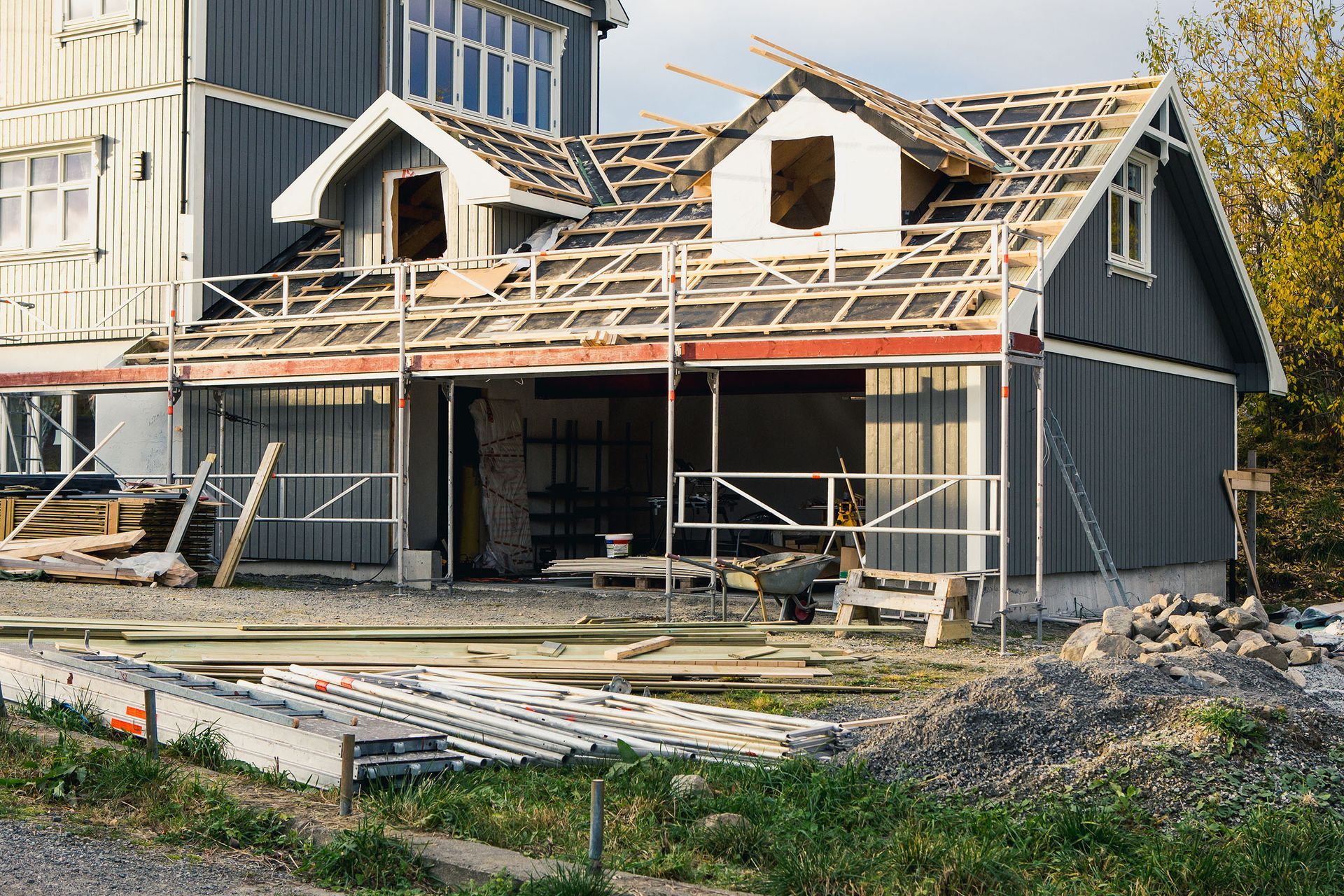
A modular home is a prefabricated building consisting of multiple sections called modules. Unlike traditional homes built entirely on-site, these modules are constructed in a controlled factory setting and then assembled on a permanent foundation at their destination. This method not only accelerates the building process but also ensures precision and cost-effectiveness. The historical introduction of modular homes dates back to the post-war era, where they offered quick and affordable housing solutions. However, initial perceptions painted them as lower-quality or temporary structures, contributing to lingering misconceptions today.
The manufacturing and construction process of modular homes is a marvel of efficiency and precision. With advanced technology and quality inspections in place, these homes meet or exceed industry standards for safety and durability. Key players have driven the industry forward by implementing innovative designs and construction techniques. According to MH Insider, manufactured homes make up 9.3% of annual new home starts, which demonstrates that modular homes represent a significant slice of the housing market. This statistic reflects growing recognition of their value and potential in the broader market.
Common misconceptions about modular homes often revolve around quality and design. Many people mistakenly associate modular homes with mobile homes or trailers, which are built to different standards. Modern modular homes offer a diverse array of architectural options and high-quality materials. They defy stereotypes by providing sustainable designs, robust construction, and considerable design flexibility. Clearing these misunderstandings is crucial to acknowledging modular homes as a viable housing option in today's market.
Design Flexibility and Customization
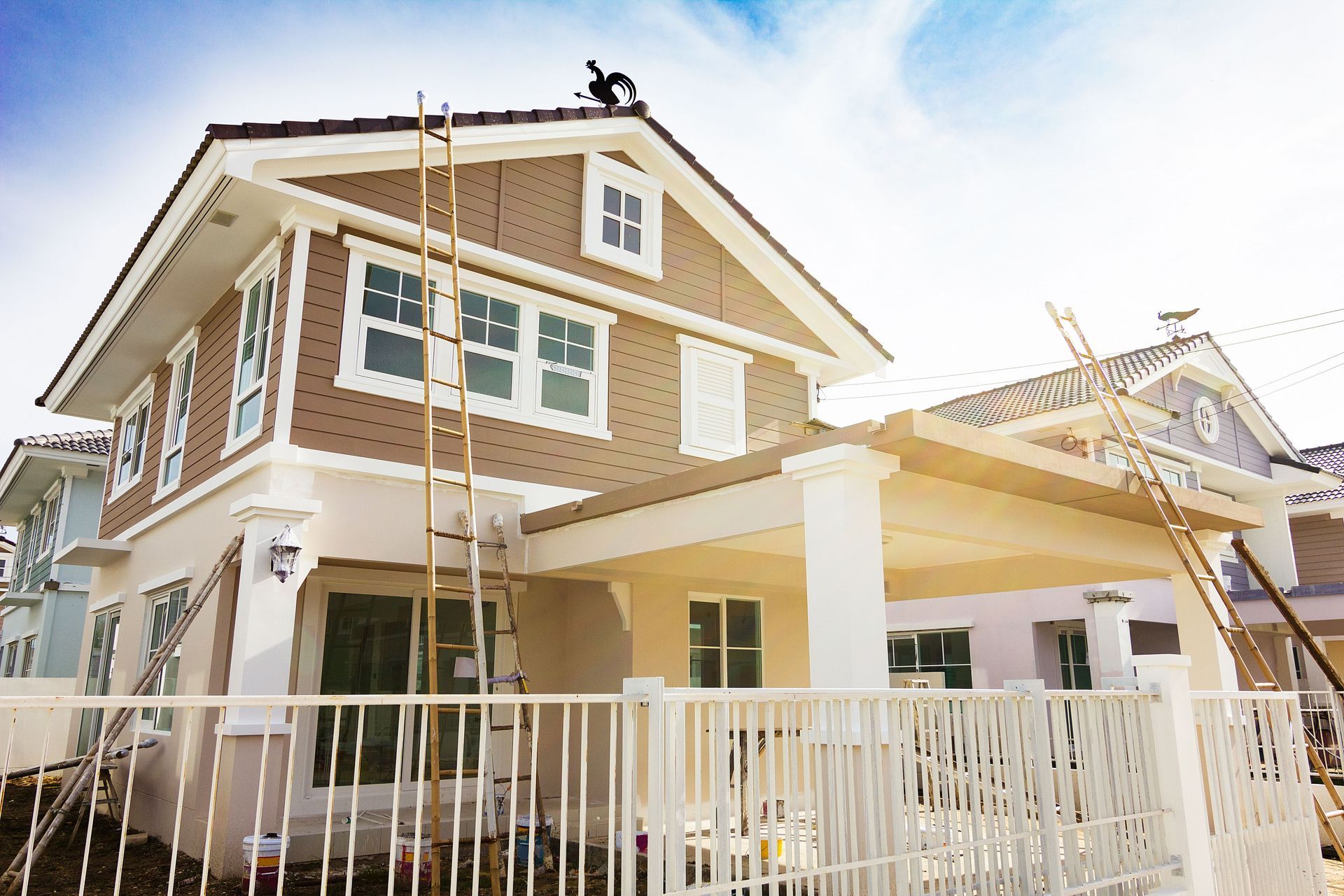
Contemporary modular homes embrace a wide range of architectural styles that enhance their appeal. Far from uniform or mundane, these homes often showcase innovative, modern designs that suit various aesthetic preferences. With cutting-edge technology and collaboration with skilled architects, a modular home offers unique external appearances and internal configurations. Buyers can choose from ultra-modern, rustic, or traditional styles, seamlessly integrating the structure into any neighborhood. The versatility of modular homes speaks to their growing popularity among aspiring homeowners seeking affordable yet customizable solutions.
Interior design possibilities within a modular home are nearly limitless. From open-concept living areas to intricate room layouts, the interior of a modular home can be tailored to meet one's specific needs and lifestyle preferences. Modern modular homes come equipped with state-of-the-art kitchens, luxurious bathrooms, and spacious bedrooms, rivaling their traditionally-built counterparts. With the ability to incorporate personal touches and high-end finishes, modular homes offer an unprecedented degree of comfort and luxury. This adaptability breaks traditional barriers, allowing homeowners to express their individuality within a modular home setting.
Sustainability and eco-friendly design remain paramount in today's housing market, and modular homes rise to the challenge. Utilizing eco-friendly materials, efficient building processes, and energy-saving technology positions modular homes as a leader in sustainable living. Adaptable floor plans cater to diverse living needs, whether compact urban spaces or spacious family homes.
In addition to their initial aesthetic appeal, modular homes offer remarkable long-term adaptability through expandable and modular floor plans. Homeowners can easily plan for future life changes, such as growing families or multigenerational living arrangements, by designing modules that can be seamlessly added or reconfigured later on. This modular nature allows for simple structural expansions, like adding extra bedrooms, a home office, or a detached garage, without requiring the extensive and disruptive renovation processes typical of traditional homes. By combining customizable design features with flexible future expansion, modular housing provides a tailored living space that can evolve directly alongside a homeowner's changing lifestyle needs.
The Quality and Durability of Modular Homes
When it comes to quality and durability, a modular home defies the lingering stereotype that they're inferior to traditionally-built houses. Modern engineering techniques ensure that modular homes can withstand the test of time just as effectively, if not more so, than their traditional counterparts. The materials used in construction are often tested rigorously under controlled conditions, assuring adherence to safety and durability standards. This results in homes that are not only robust but also capable of withstanding extreme weather conditions. Precise factory construction further elevates the final product's quality, addressing one of the primary myths about modular homes.
Modular homes are built to endure harsh environmental elements, making them resilient in situations such as storms and earthquakes. Engineering advancements ensure they meet or exceed local building codes, which are increasingly stringent, especially in regions prone to natural disasters. The structural integrity of modular homes is a testament to the detailed craftsmanship and meticulous assembly processes. These advancements have made modular homes a reliable choice for those seeking safety and security. Comparisons between modular homes and traditional houses often reveal that the former holds up exceptionally well under stress tests.
Maintenance and longevity are significant factors contributing to the reputation of modular homes. These homes require similar upkeep compared to traditional ones, with no additional burdens imposed by their construction methods. The materials and building practices employed are designed for longevity, contributing to less frequent renovations and lower long-term maintenance costs. Quality assurance processes implemented during manufacturing further ensure that each modular home adheres to the highest standards. This comparative analysis showcases the resilience and worthiness of modular homes as a long-term investment.
The Economics of Modular Homes
The economic advantage of modular homes can't be overstated, as their cost-effectiveness is one of their strongest selling points. Typically, modular homes are less expensive than traditional homes due to streamlined production processes and reduced labor costs. Construction time is significantly reduced, translating into further financial savings and faster move-in times. Furthermore, the affordability inherent in modular construction does not equate to compromised quality or design limitations. It's this balance between cost and quality that continues to drive the increased interest in modular homes.
Financing options available for modular homes provide additional economic relief to prospective buyers. Loans, mortgages, and government-backed programs tailored for modular homes are accessible, mirroring those of traditional homes. Bank and financing institutions, recognizing the qualities of modular homes, increasingly offer competitive rates and flexible terms. Moreover, modular homes tend to retain their resale value, ensuring a profitable long-term return on investment. Government incentives aimed at sustainable living further position modular homes as a financially viable and attractive choice.
Energy efficiency inherent in a modular home brings sustained cost savings over its lifespan. Their construction often incorporates the latest efficient technologies, reducing utility costs and environmental impact. These efficiency gains additionally reflect positively on overall resale value, enhancing the financial proposition of modular homes. As energy efficiency standards rise, modular homes can better meet these demands, aided by continual advancements in technology and design practices. This economic foresight aligns modular homes with the sustainable, forward-thinking housing demands of today.
In examining every facet of modern modular homes, from design and quality to economic benefits and consumer satisfaction, it's evident that these homes are becoming a practical and attractive alternative in the housing market. With continuing innovation and the efforts to dismantle misconceptions, modular homes prove to be efficient, durable, and cost-effective solutions for various demographics. As the industry evolves alongside technology and sustainable practices, a modular home represent a promising direction for future housing developments. To learn more, reach out to the experts at Mod-Tech Homes today!