May 15, 2026
Navigating the journey toward homeownership through modular construction offers an exciting blend of efficiency and modern design. While the base price of a modular unit often seems incredibly attractive, a successful project requires a comprehensive understanding of the total financial commitment. This guide explores the essential expenses beyond the factory invoice to ensure your dream home stays within reach.
1. Evaluating Land Purchase and Preparation
One of the most significant variables in your budget will be the acquisition and preparation of the land itself. Unlike buying an existing "stick-built" home where the property is included, a modular home requires you to secure a suitable lot that meets specific zoning requirements. Before you sign a contract with a local modular home builder, you must account for the cost of clearing trees, grading the soil, and ensuring the ground is stable enough to support a heavy structure. These site preparation costs can fluctuate wildly depending on the terrain and the region's geological makeup.
2. Installing Permanent Foundation Systems
A modular home is not a mobile home; it is a permanent structure that requires a robust foundation, which is rarely included in the base "sticker price." You will need to decide between a crawl space, a full basement, or a concrete slab, each carrying a different price tag. Your local modular home builder will provide the specifications, but the actual excavation and pouring of concrete are typically separate expenses handled by a local contractor. A full basement can add significant value and square footage to your home but can also increase your budget by $20,000 to $50,000 depending on the size of the footprint. It is vital to get these quotes early to avoid a massive financial shock once the modules arrive on-site.
3. Connecting Essential Utility Services
Bringing life to your new home requires connections to electricity, water, sewage, and gas, all of which involve "hookup" fees and labor costs. If you are building in a developed area, you might face significant municipal tap fees to connect to city water and sewer lines. Conversely, if your modular home is destined for a rural setting, you must budget for the installation of a private well and a septic system, which can easily cost between $10,000 and $25,000 combined. Your local modular home builder can often point you toward reliable utility contractors, but the responsibility for these permits and infrastructure costs usually falls on the homeowner. Don't forget to account for the distance from the main road, as long driveway runs for power lines can incur additional per-foot charges.
4. Managing Transportation and Delivery Logistics
The miracle of modular construction is that your home is built in a factory, but the logistics of moving those massive sections to your land are complex and costly. Shipping fees are often calculated based on the number of modules and the distance from the factory to your site. You must also consider the accessibility of your lot; if the delivery trucks encounter low-hanging branches or narrow bridges, you may be charged for specialized equipment or pilot cars. Many buyers are surprised to find that "delivery" doesn't always include "setting," so verify whether your local modular home builder includes the crane rental in their quote. Hiring a heavy-duty crane to lift and place the modules onto the foundation is a high-precision job that requires its own set of insurance and specialized labor.
5. Finishing On-Site "Button-Up" Work
When the modules are set on the foundation, the home is often about 80% complete, leaving the remaining "button-up" work to be finished on-site. This includes joining the sections, completing the roofline, connecting the plumbing and electrical lines between modules, and finishing the interior drywall seams. While a local modular home builder might manage this process, the labor for these finishing touches is a distinct budget item that covers flooring transitions, siding overlaps, and trim work. If your design includes a "hinged roof" to accommodate a steeper pitch, the labor to raise and secure that roof is an additional expense. It is during this phase that the house truly becomes a home, but it requires a dedicated crew to ensure the seams are invisible and the structural integrity is seamless.
6. Adding Exterior Structural Attachments
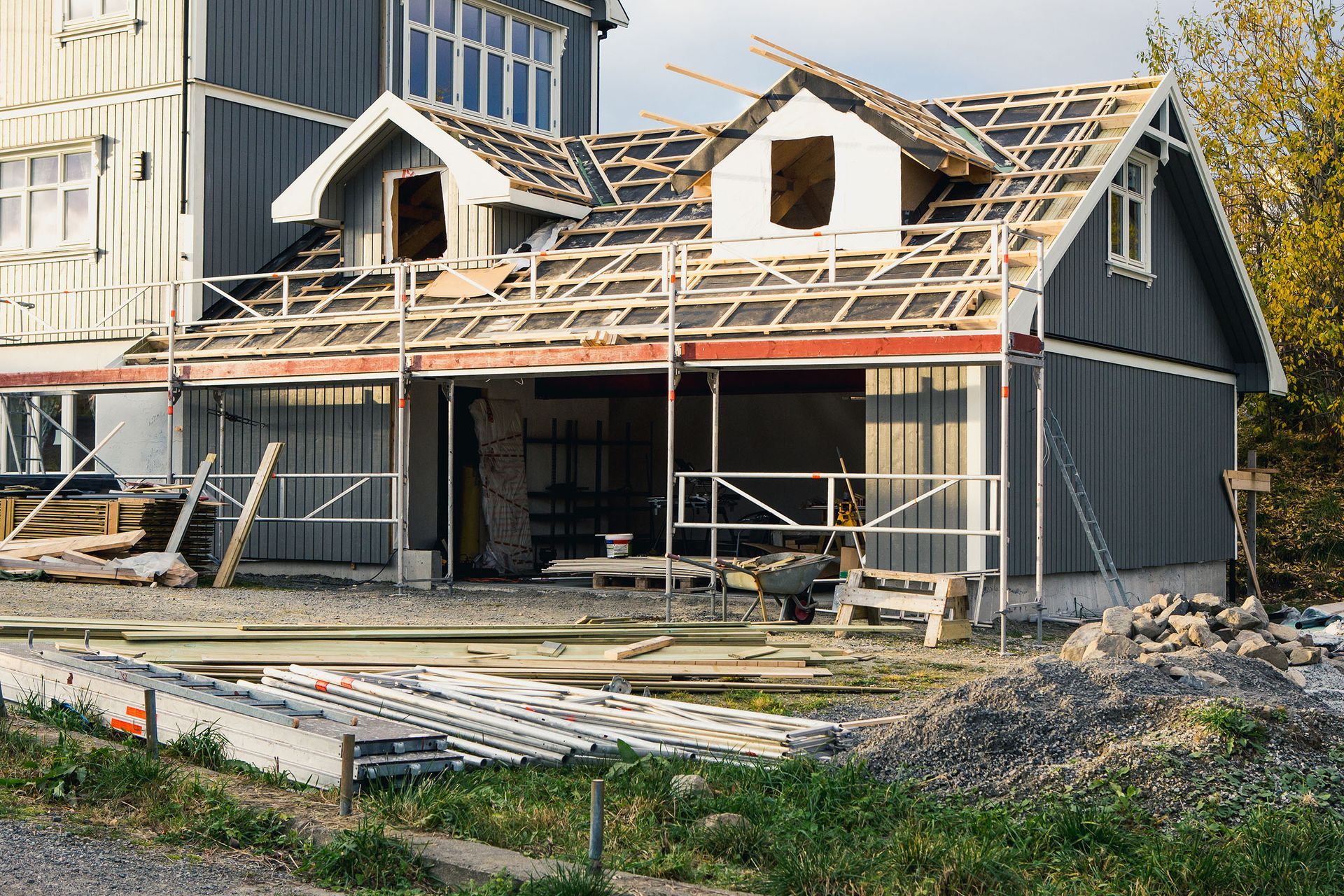
To maximize the curb appeal and functionality of your modular home, you will likely want to add features like porches, decks, garages, or carports. These elements are almost never built in the factory because they cannot be easily transported alongside the main modules. Building a two-car garage or a wrap-around porch requires a traditional "stick-building" approach on-site after the modular units are placed. You should obtain separate quotes for these additions, as they require their own permits and foundations. Many homeowners choose to work with a local modular home builder who has a network of carpenters capable of matching the home's siding and roofing to these exterior structures, ensuring a cohesive aesthetic that doesn't look like an afterthought.
7. Navigating Community and Infrastructure Requirements
When choosing where to place your home, you must be aware of the local regulations and existing housing landscapes that might influence your project. According to the Manufactured Housing Institute, there are more than 43,000 manufactured home communities in the United States. While modular homes are distinct from manufactured homes in terms of building codes, this statistic illustrates the massive infrastructure dedicated to off-site construction and the growing acceptance of factory-built housing. However, the abundance of these communities also means navigating a complex web of land-use policies.
If you are placing your modular home in an established community or a managed subdivision, you may be subject to Homeowners Association (HOA) fees or specific architectural review costs. These fees are often "hidden" in the sense that they are recurring or one-time payments required before you can even begin your build. Furthermore, some high-density areas require "impact fees" to offset the cost of public services like parks and schools, which can vary significantly from one zip code to the next. You must also account for restrictive covenants that might dictate everything from your roof pitch to the color of your siding, potentially forcing expensive design modifications.
8. Accounting for Permitting and Administrative Fees
The paperwork involved in building a home can be as taxing as the construction itself, and the associated fees can add up quickly. You will need building permits, electrical permits, plumbing permits, and potentially environmental impact fees charged by the county to support local infrastructure like schools and roads. Because modular homes are built to the same local building codes as traditional homes, they must undergo the same inspection process on-site. You may also need to pay for a "Certificate of Occupancy" once the home is finished. Budgeting an extra 1% to 2% of your total project cost for these administrative hurdles is a safe way to ensure you aren't caught off guard by the bureaucracy of local government.
By accounting for these often-overlooked expenses, you can approach the modular home process with confidence and clarity. While the base price is just the beginning, the total value and efficiency of a modular build remain unparalleled in today's market. With proper planning and a realistic budget, your path to a custom modular home can be a rewarding and stress-free investment. If you are looking for a reliable manufactured home builder in your area, contact Mod-Tech Homes today to learn more and get started!